
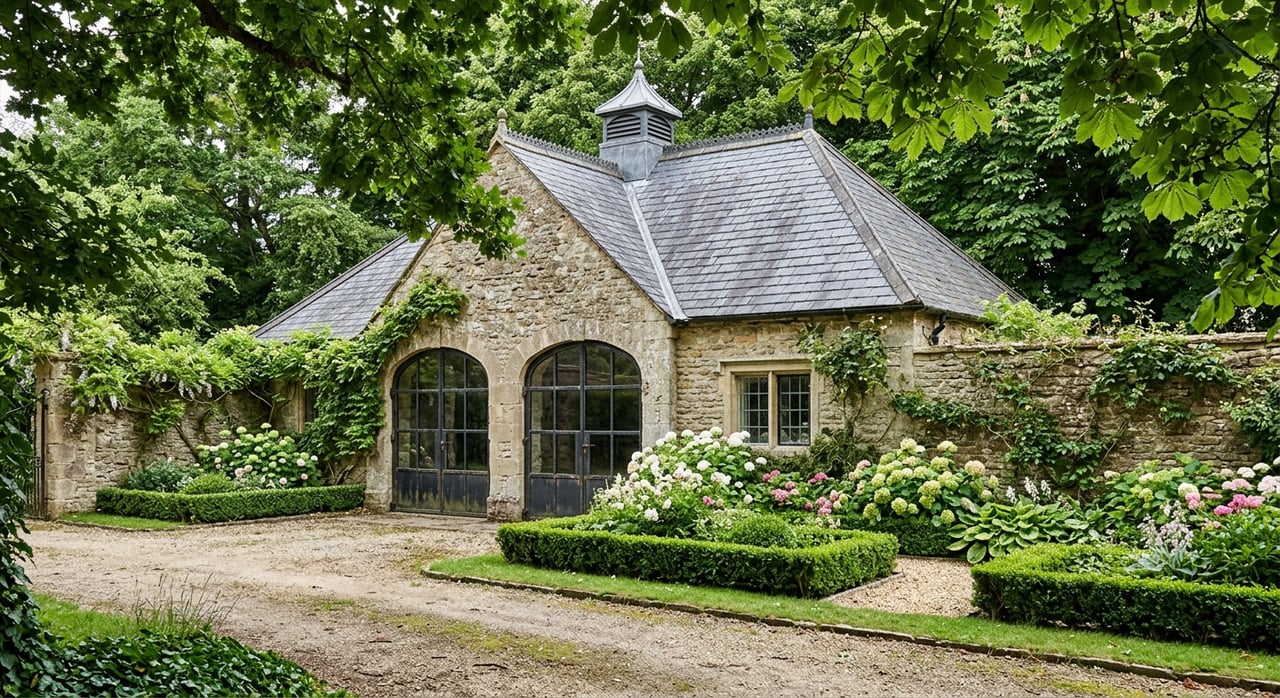
If you only know New Hope by Main Street crowds and weekend river traffic, you are seeing just one side of it. For many buyers, the real appeal is what happens a few blocks or a short drive beyond the busiest corners: quieter paths, creative spaces, and a day-to-day rhythm that feels more grounded. If you are exploring whether New Hope fits your lifestyle, this guide will help you picture the places and patterns that shape life beyond the tourist view. Let’s dive in.
A Different Side of New Hope
New Hope is a compact 1.25-square-mile borough in Bucks County, set along the Delaware River and surrounded by Solebury Township. Borough materials describe it as a culture-and-arts destination with historic homes, eclectic shops, and year-round tourism, especially on weekends.
That visibility is part of its appeal, but it is not the whole story. The borough also points to the Delaware River, Delaware Canal State Park, and Aquetong Creek and Ingram Creek as scenic natural features that shape the area well beyond the storefronts.
Canal Paths Shape Daily Life
One of the clearest ways to understand New Hope beyond Main Street is to look at the canal corridor. Delaware Canal State Park runs through the area and gives the borough a more relaxed, residential-feeling backdrop.
According to DCNR, the towpath stretches 58.89 miles and is open every day of the year. The scenery shifts between river views, farm fields, and historic towns, which helps explain why the canal feels less like a single attraction and more like part of everyday life.
For many people, that matters more than a busy weekend scene. A morning walk, a bike ride, or simply having a scenic path nearby can shape how a place feels when you live there full time.
What the towpath offers
Friends of the Delaware Canal notes that the towpath is used year-round for walking, biking, skiing, skating, and boating. In New Hope, the restored Locktender’s House at Lock 11 also serves as an interpretive center and as headquarters for the Friends.
That gives this part of town a lived-in quality. Instead of only thinking about dining reservations or event traffic, you can picture a slower routine built around outdoor access and changing seasons.
Riverside Views Without the Rush
The Delaware River is central to New Hope’s identity, but living near it does not always mean being in the middle of the busiest blocks. Borough materials describe the riverfront setting as one of the defining features of the town, and that natural edge helps create a quieter sense of place beyond the core commercial stretch.
In practical terms, this means you can enjoy the setting that brings people to New Hope while still seeking out calmer pockets nearby. For buyers who want charm without constant activity at their doorstep, that distinction can be important.
Short Drives Lead to Countryside
Another reason New Hope feels bigger than its borough size is how quickly the landscape changes. Visit Bucks County’s Covered Bridge Tour is a useful example because the eastern half loop includes New Hope’s Van Sandt Covered Bridge and travels along roads such as River Road, Aquetong Road, and Covered Bridge Road.
Taken together with the borough’s description of rolling hills and stream corridors, those routes suggest a fast transition from walkable river-town blocks to more rural scenery. You do not have to go far to reach creek crossings, open views, and quieter roads.
Why that matters for buyers
If you are considering New Hope, this edge-of-town setting can broaden your search. You may be drawn to the borough’s energy, but your ideal home base might be a nearby area with a little more privacy, space, or a softer daily pace.
That is often the real lifestyle question: not just whether you like visiting New Hope, but whether you want to live in the center of it or just beyond it.
Arts Extend Beyond Main Street
New Hope’s creative identity is well known, but it is not limited to the busiest gallery blocks. The New Hope Arts building at 2 Stockton Avenue includes exhibition space and reduced-rate studios for local artists, with working spaces for stained glass, painting, woodworking, and mixed media.
That detail matters because it shows art here as an active part of local life, not only a visitor experience. Working studios add depth to the town’s character and support a year-round creative presence.
Public art is spread across town
Borough reporting from fall 2025 said the New Hope Arts Public Arts Program had nearly 50 outdoor sculptures on view year-round. Installations were spread across parks, the Visitor Center, municipal property, and partner sites.
This creates a wider cultural footprint than many people expect. You are not limited to one destination, and the arts experience continues as you move through different parts of town.
Quieter cultural stops count too
The Raymond Farm Center on Pidcock Creek Road offers another example of New Hope’s lower-key creative side. The organization hosts workshops, open houses, tours, and lectures at the former home of Antonin and Noémi Raymond.
For buyers who value design, history, and cultural programming, places like this can be just as meaningful as the better-known downtown destinations. They help round out the picture of what living here can feel like over time.
Small Stops Add Everyday Comfort
Lifestyle is often shaped by the small places you return to again and again. Visit Bucks County highlights Reed’s Breakfast Bar, SkyRoast Coffee at Ferry Market, Magikava, and Nektar as local spots that support a more relaxed pace just off the most crowded paths.
That does not mean New Hope loses its energy. It means you can still find quieter corners for a slower morning, a casual coffee, or an easy stop after a walk along the canal.
Seasons Change the Feel of Town
New Hope is active year-round, but the pace shifts with the calendar. In spring 2025, the borough said staff were refreshing flowers and shrubs at Lenape Park, Ferry Landing Park, the Visitor Center, and Randolph Street pocket park.
By summer, the borough noted that outdoor dining returns along with an influx of visitors. In fall 2025, borough materials described increased foot patrols during peak hours and special events as seasonal tourism rose.
Living here means understanding the rhythm
This seasonal pattern is useful if you are thinking like a resident rather than a day-tripper. Some people love the energy of busier weekends and event seasons, while others prefer a home base that offers a bit of separation from that activity.
Either way, it helps to understand that New Hope does not stand still. It stays lively across the year, but the volume, movement, and feel can vary by season and by location within and around town.
Events Keep New Hope Active
The area’s calendar also adds to its year-round appeal. The Greater New Hope Chamber’s 2026 events page lists the New Hope Arts & Crafts Festival, the Christmas Tree Lighting, and the holiday parade.
For residents, these events can make the town feel festive and connected beyond peak summer weekends. They also reinforce that New Hope offers more than a single-season appeal.
Visitor Logistics Matter When You Live Here
There is also a practical side to understanding New Hope. The borough’s Visitor Center is located at 1 West Mechanic Street, and parking includes on-street spaces, borough lots, and private lots.
That may sound like a visitor detail, but it matters when you are deciding whether to live in the center of town or nearby. Daily routines, weekend patterns, and access can feel very different when New Hope is your neighborhood and not just your destination.
How to Think About New Hope as Home
If you are drawn to New Hope, it helps to think in layers. There is the vibrant Main Street and riverfront image most people know, but there is also the canal path, the creek corridors, the edge-of-town roads, and the creative spaces tucked outside the busiest blocks.
That fuller view often leads to better decisions. You may find that what you love most about New Hope is not the center of the spotlight, but the quieter spaces around it that make daily living feel balanced, scenic, and personal.
Whether you are looking for a classic in-town property, a home with a little more breathing room nearby, or a distinctive residence that matches the area’s character, local guidance matters. If you want a clear, private conversation about living in and around New Hope, Lisa Povlow can help you explore the market with care and precision.
FAQs
What is New Hope, Pennsylvania like beyond Main Street?
- Beyond Main Street, New Hope includes quieter natural features like the Delaware Canal, the Delaware River, and creek corridors, along with arts spaces, public sculpture, and calmer everyday gathering spots.
How does Delaware Canal State Park affect life in New Hope?
- The canal towpath adds year-round access to walking, biking, and scenic outdoor space, which gives New Hope a more relaxed and residential-feeling side beyond the busiest commercial blocks.
Are there quieter cultural places in New Hope, PA?
- Yes. In addition to downtown galleries, New Hope includes places like New Hope Arts and the Raymond Farm Center, which support exhibitions, studios, workshops, tours, and lectures.
Does New Hope, Pennsylvania stay busy all year?
- New Hope stays active year-round, but the pace changes by season. Borough materials note busier summer activity, fall tourism, and year-round public art and events.
What should homebuyers know about daily life in New Hope?
- It helps to understand the difference between visiting and living there. Parking, event traffic, seasonal visitor volume, and proximity to quieter paths or roads can all shape your day-to-day experience.
Is New Hope only about the riverfront and downtown shops?
- No. The borough’s appeal also includes canal paths, parks, stream corridors, public art, and nearby countryside roads that create a broader lifestyle picture than the downtown area alone.